
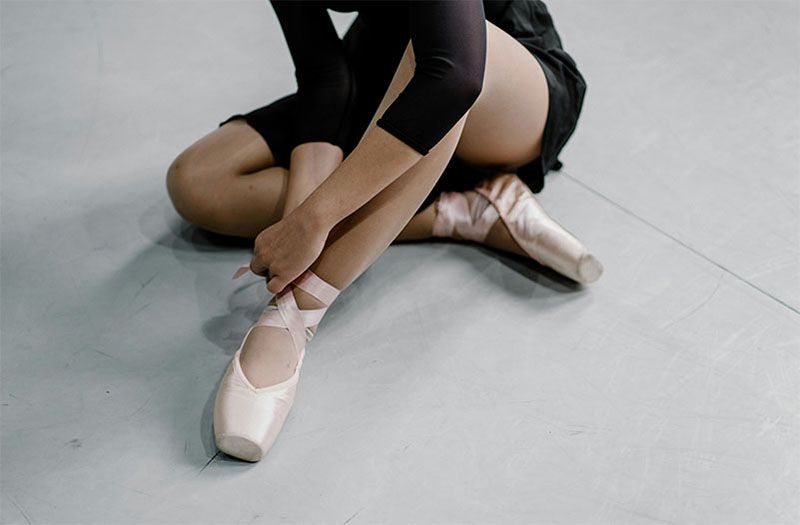
A dance studio is more than just four walls and a mirror—it’s a sanctuary for movement, creativity, and expression. But the foundation beneath every dancer’s feet is often the most overlooked feature: the floor itself.
The surface dancers train on directly affects their performance, safety, and longevity in dance. Among the many flooring types available, one stands far above the rest—the sprung floor. Engineered to absorb impact and provide resilience, it offers unmatched protection and performance benefits for dancers of all ages and styles.
At SNHDT, we prioritize the safety of our dancers, which is why we believe investing in a sprung dance floor is one of the smartest and most important decisions a studio can make.
What Is a Sprung Floor?
A sprung floor is a specialized flooring system designed to absorb shock and provide controlled “give” under pressure. Unlike concrete or tile, it’s built in layers—typically combining wood, foam, and rubber—to disperse energy from jumps and movements safely.
This layered construction allows the floor to flex slightly, protecting dancers’ joints and muscles from the constant stress of impact. Most professional studios top their sprung floors with marley vinyl (for ballet and contemporary) or hardwood (for tap and jazz), creating a responsive, versatile surface ideal for all dance forms.
The Science Behind Sprung Floors
Dancers are athletes in every sense of the word. Repeatedly landing on hard, unyielding floors can lead to overuse injuries and chronic pain. Sprung floors are scientifically engineered to counteract those effects by:
- Dispersing Energy: The layered design spreads force evenly, protecting muscles and joints.
- Providing Resilience: The floor returns a small amount of energy to the dancer, aiding jumps and reducing fatigue.
- Reducing Peak Impact: Lower impact levels help prevent stress injuries in the ankles, knees, hips, and spine.
Simply put, a sprung floor moves with the dancer—not against them.
3 Health and Safety Benefits
- Injury Prevention – A sprung floor is a dancer’s best defense against injury. It helps prevent sprains, strains, fractures, and chronic conditions like shin splints and tendonitis. By minimizing impact, dancers can train longer, perform better, and stay healthier.
- Support for Growing Bodies – For studios that teach children or teens, safe flooring is essential. Young dancers’ bones and joints are still developing, making them more vulnerable to repetitive stress. A forgiving, sprung surface protects their growing bodies while encouraging proper technique and confidence.
- Enhanced Comfort and Endurance – Fatigue can compromise performance. The cushioning of a sprung floor reduces strain on the body, helping dancers rehearse for longer periods without discomfort. The result: sharper focus, fewer mistakes, and greater enjoyment.
3 Performance Advantages
- Improved Technique and Artistry – A responsive, consistent floor allows dancers to execute leaps, turns, and footwork with greater control. The slight rebound supports higher jumps and softer landings—enhancing both technique and artistry.
- Versatility Across Dance Styles – From ballet and modern to hip-hop and tap, a professional sprung floor accommodates every genre. Its adaptability ensures that all dancers—recreational and pre-professional alike—can move safely and confidently.
- Confidence and Mental Well-Being – When dancers trust their environment, they perform with freedom and confidence. A reliable floor reduces anxiety about injury and fosters creativity, risk-taking, and expressive movement.
Durability and Studio Value
Longevity and Reduced Maintenance
High-quality sprung floors are built to last. Their shock-absorbing layers prevent both structural and surface wear, leading to fewer repairs and lower long-term costs. Many models are also easy to clean and maintain, keeping studios pristine and professional.
Attracting Students and Professionals
A studio with a sprung floor stands out. Parents, dancers, and instructors look for spaces that prioritize safety and excellence. For professionals, a sprung floor can be the deciding factor when choosing a rehearsal or teaching venue.
Compliance with Industry Standards
Many competitions, performances, and exams require sprung flooring to meet safety regulations. Having one positions your studio to host events, masterclasses, and auditions—expanding your credibility and community presence.
Economic and Environmental Benefits
While installing a sprung floor is an investment, the return is clear:
- Fewer injuries = lower medical costs and higher attendance.
- Better comfort = improved retention and student satisfaction.
- Increased property value for studio owners.
Additionally, many modern sprung floors are constructed with sustainable materials, such as recycled padding and responsibly sourced wood—aligning performance with environmental stewardship.
Reducing Peak Impact: Lower impact levels help prevent stress injuries in the ankles, knees, hips, and spine.
Simply put, a sprung floor moves with the dancer—not against them.
Conclusion
A sprung floor is far more than a surface—it’s the foundation of a safe, inspiring, and professional dance environment. It safeguards health, enhances performance, and communicates to every dancer who walks in that their well-being matters.
Whether you’re building a new studio or upgrading your space, a sprung floor isn’t just an upgrade—it’s a promise of excellence. When the music begins and dancers take the floor, every step should be met with intentional support.
At Southern New Hampshire Dance Theater, each of our studios is equipped with professional marley-covered sprung floors, ensuring dancers train with the same level of care and quality found in top-tier dance institutions across New England.