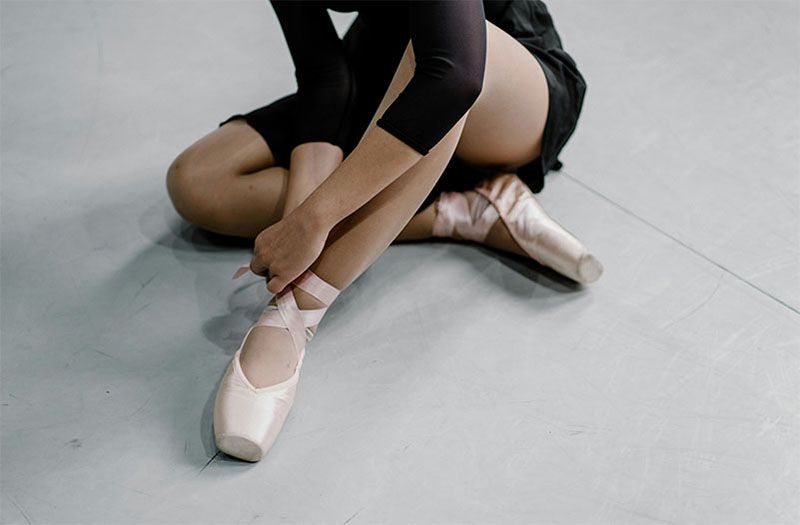
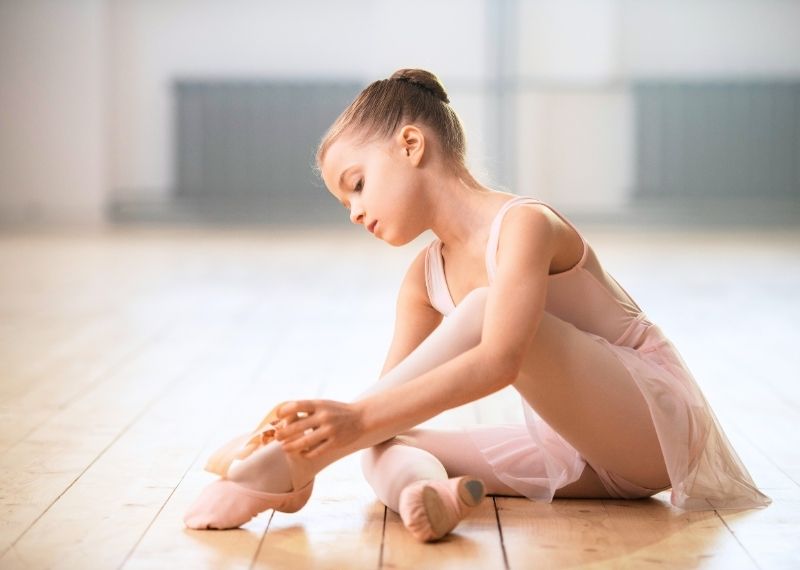
Beginning pointe work is one of the most exciting milestones in a young dancer’s journey. But because pointe demands strength, precision, and maturity, proper timing is essential for both safety and long-term success. Pointe readiness has far less to do with age and far more to do with a dancer’s physical development, technical foundation, and emotional preparedness.
At SNHDT, we take a careful, individualized approach to pointe shoe safety, ensuring that every dancer steps into this new chapter with confidence and the correct support.
1. Bone and Muscle Development Must Be Mature Enough
While many people assume dancers should start pointe at age 12, that is a myth. “Every 12-year-old should be on pointe” is not only untrue—it can be unsafe. Children develop at different rates, and starting too soon can risk long-term foot and ankle injuries.
We evaluate a dancer’s overall physical readiness, including:
- Strength in the ankles, calves, and intrinsic foot muscles
- Proper alignment in the knees and hips
- Adequate core and back strength to support turnout and posture
- Stability during balance and relevé exercises
This ensures a dancer’s body can handle the demands of pointe work without compromising healthy development.
2. Strong, Consistent Technique in Flat Shoes
Before progressing to pointe, a dancer must have years of solid ballet training in soft ballet shoes. This includes:
- Clean alignment
- Controlled relevés
- Strong turnout from the hips
- Balanced pirouettes and arabesques
- Mastery of foundational ballet terminology
A dancer who struggles to maintain placement in flat shoes will struggle even more en pointe. Our instructors review technique in every class to ensure dancers build the foundation required for future pointe work.
3. Excellent Posture, Core Control, and Turnout Stability
Pointe work magnifies every technical detail. A dancer must demonstrate consistent control of:
- Posture through the spine
- Turnout from the hips (not the knees or feet)
- Core engagement that supports balance and fluidity
- Placement during transitions, not just positions
When these elements are strong, a dancer is more prepared to rise en pointe with grace and stability—not gripping, wobbling, or rotating incorrectly.
4. The Ability to Follow Corrections and Work Safely
Emotional maturity is just as important as physical readiness. A dancer must:
- Accept and apply corrections consistently
- Practice safely and avoid shortcuts
- Stay disciplined in strengthening exercises
- Communicate honestly about discomfort or pain
A dancer who rushes or tries to “push through” unsafe positions is not ready for pointe. Pointe work requires patience, attentiveness, and a willingness to grow slowly and correctly.
This ensures long-term confidence and artistry—not short-term achievement.
5. Consistent Class Attendance and Commitment
Pointe dancers must be enrolled in regular ballet classes and maintain steady attendance. Sporadic training or long breaks make it difficult to build and sustain the strength needed for safe pointe work.
At SNHDT, we look for dancers who demonstrate:
- A consistent work ethic
- Reliable attendance
- Dedication to both technique and conditioning
- A positive attitude toward refinement
Because pointe is a privilege and a responsibility, dancers who show commitment are better prepared to thrive once they receive their first pair of shoes.
Final Thoughts: Readiness Looks Different for Every Child
Two dancers may be the same age and progress at completely different rates—and that’s normal. What matters most is safety, strength, and technique, not the number on a birthday card. Our faculty evaluates each dancer individually to determine the ideal moment to begin this exciting new stage.
When a dancer is truly ready, pointe work becomes a joyful, safe, and empowering experience—one that sets them on a strong path for advanced ballet training and lifelong artistry.
At Southern New Hampshire Dance Theater, we are committed to guiding dancers with care, excellence, and a deep respect for the tradition of ballet. If you find yourself questioning the appropriate timing for your dancer, we’ d love to connect you with one of our expert faculty!